ohb.de>Company>History

The OHB Story: From a Five-Person Operation to a Pioneer in European Space Exploration

OHB is a leading European provider of space systems with over 4,000 employees. Over the course of 45 years, the company has evolved from a repair shop for hydraulic marine systems into a space pioneer—remaining family-owned to this day and focused on efficient, needs-based space technology.

We.Create.Space.

2026

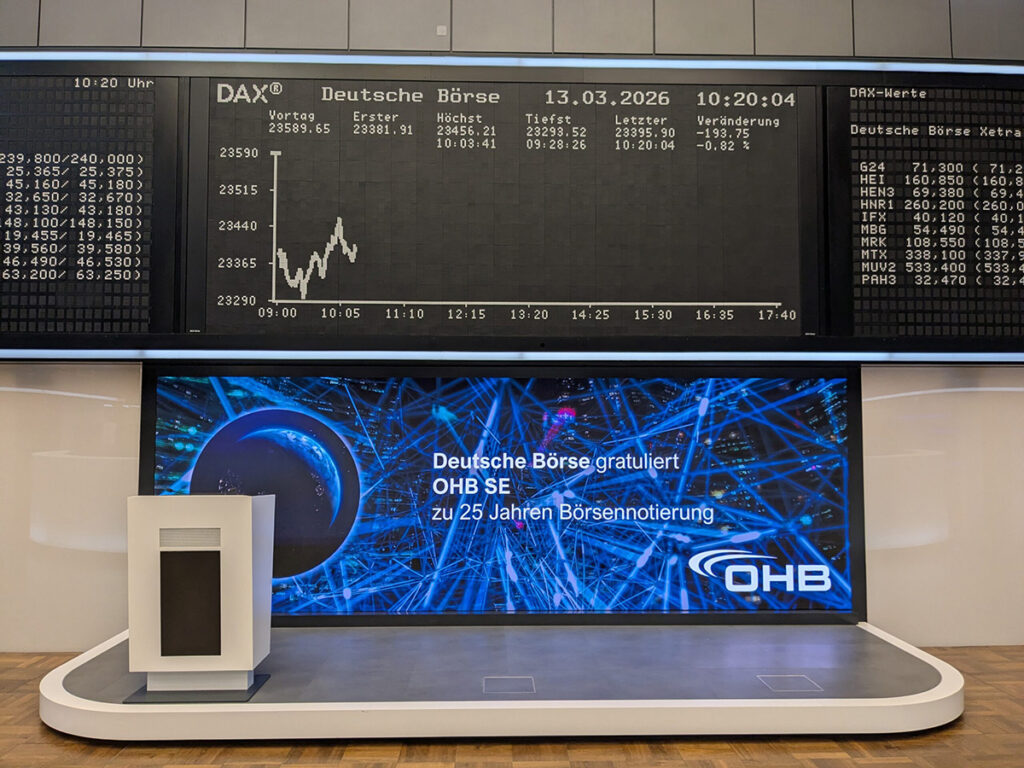
On March 13, OHB will celebrate the 25th anniversary of its initial public offering.

A commemorative plaque from Deutsche Börse. OHB is one of the few companies from the Neuer Markt that is still publicly traded and successful.

With LISA (Laser Interferometer Space Antenna), OHB has won its first ESA L-class science mission. This type of mission is carried out only once every ten years.

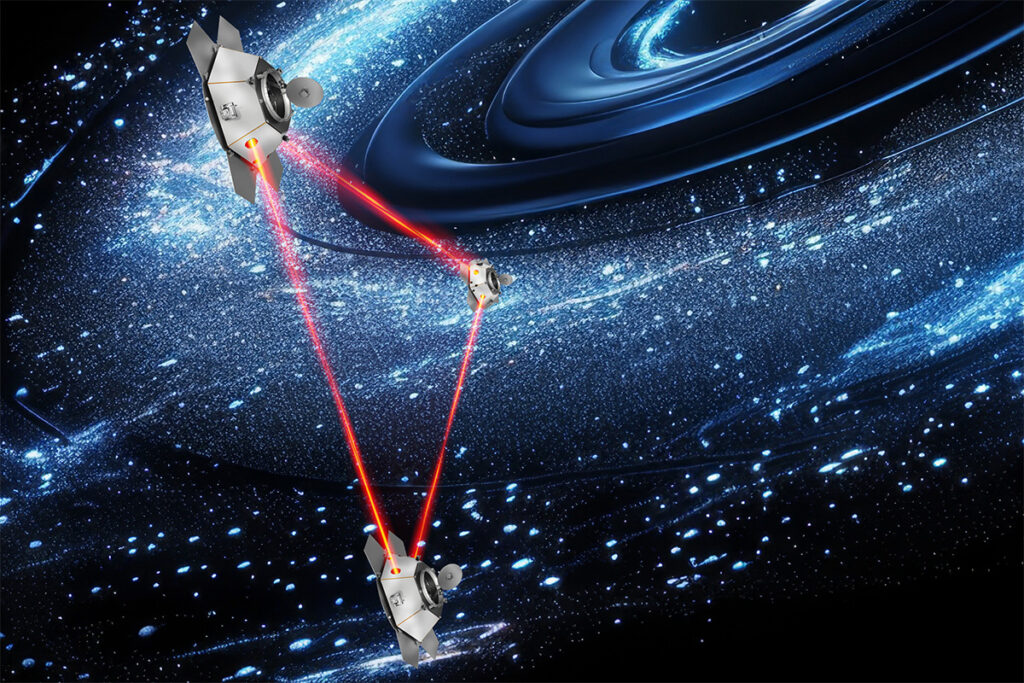
LISA is set to become the first space-based observatory to detect gravitational waves in the low-frequency range. These are tiny ripples in spacetime that arise when very massive objects move or merge—such as black holes or dense pairs of stars.

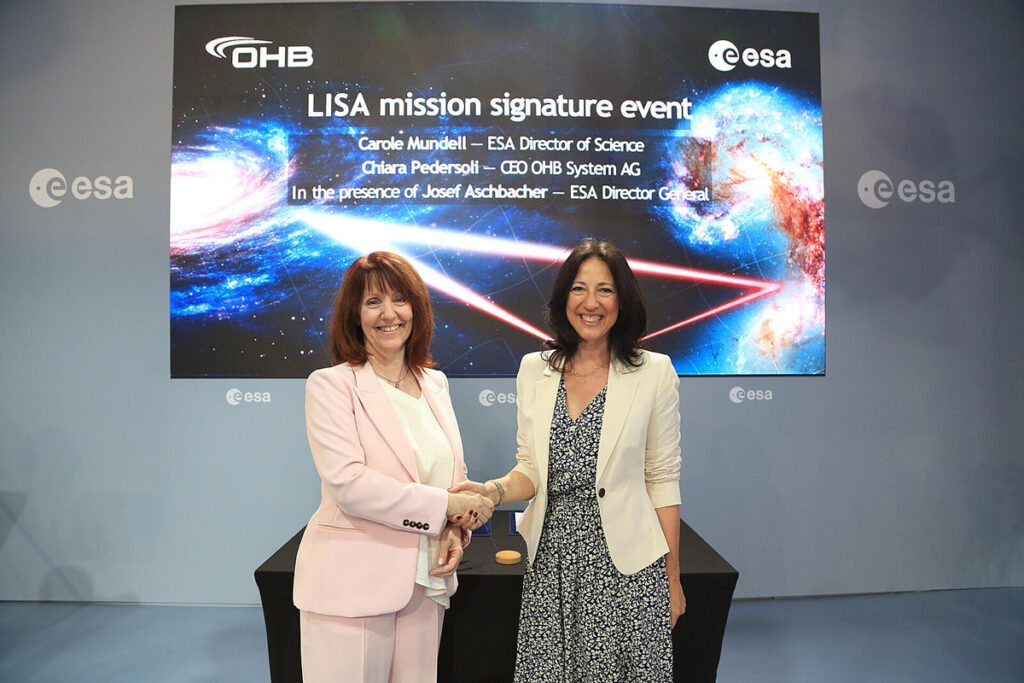
Carole Mundell (ESA Director of Science) and Chiara Pedersoli (CEO of OHB System AG) at the official kick-off event for the LISA mission at the 2025 Paris Air Show.
Three satellites form a triangle spanning 2.5 million kilometers to detect distortions in spacetime using laser interferometry.

OHB has signed an investor agreement with the investment firm KKR and the majority shareholders regarding the terms and conditions of a strategic investment by KKR in the OHB Group. This step strengthens the capital base for implementing the growth strategy.

At the Capital Market Day on February 13, OHB will present its corporate strategy for the coming years, a key element of which is the creation of a new Digital division to consolidate its ground-based services. With this move, OHB can now offer satellites, launchers, and space-based services—space solutions from A to Z.

At the annual results press conference, a significant economic milestone will be announced: In the 2018 fiscal year, the OHB Group’s total revenue reached one billion euros for the first time.

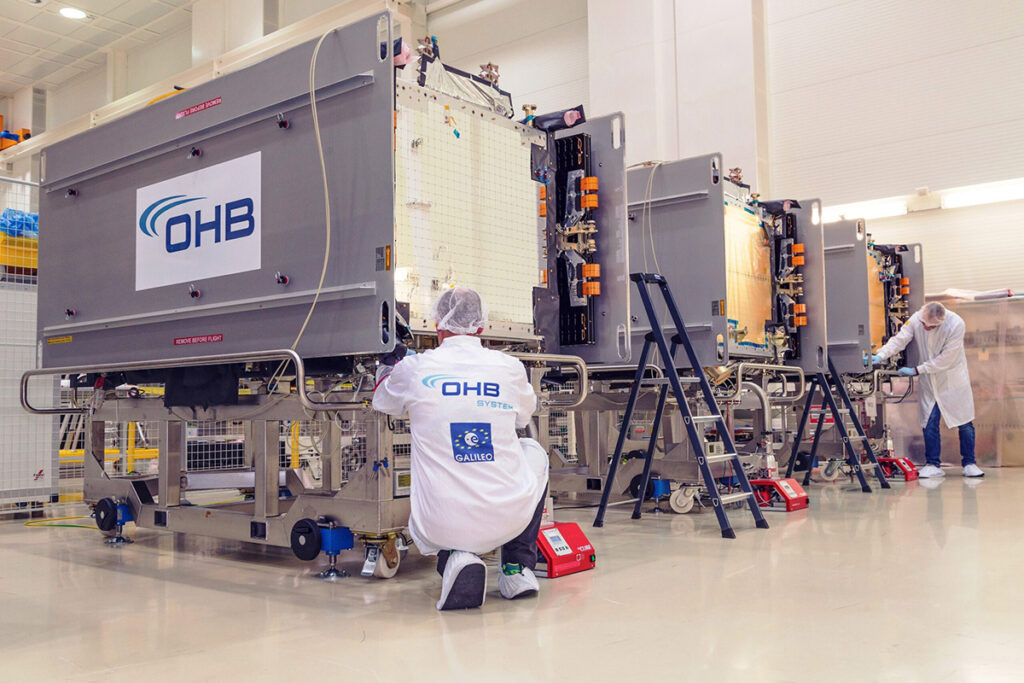
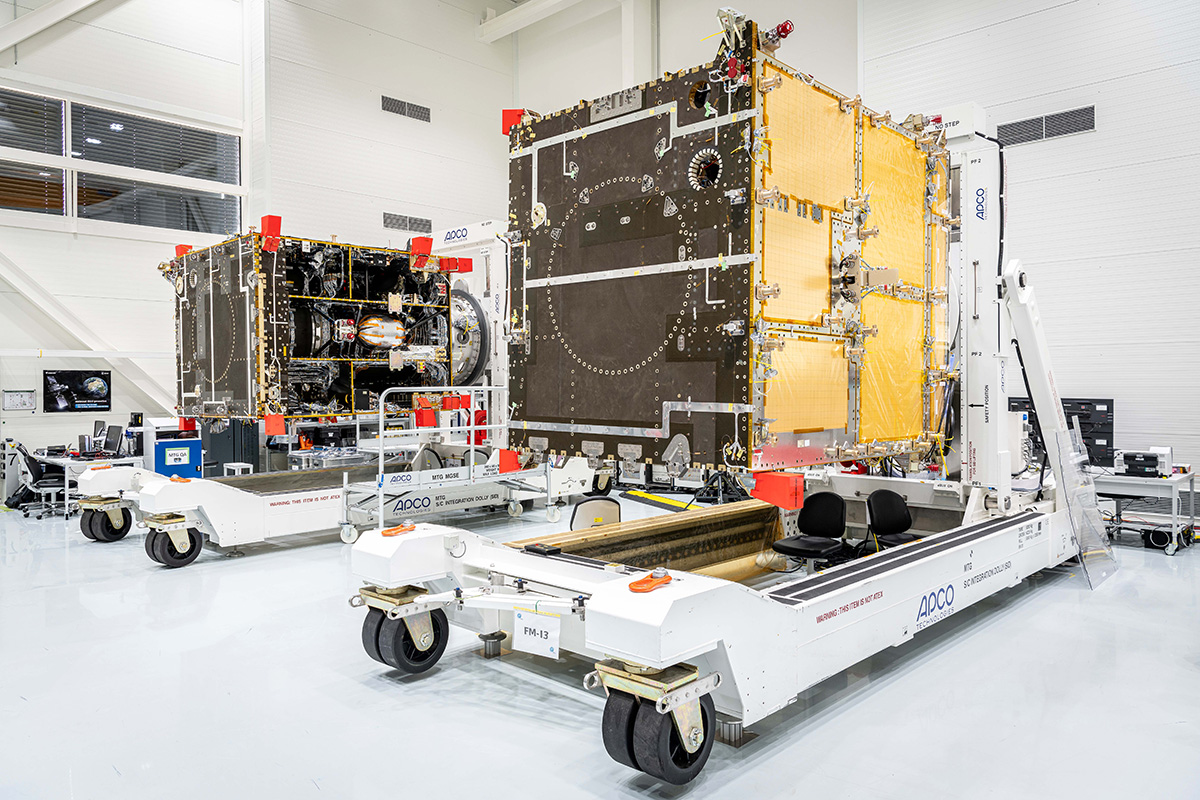
2010 is marked by two major new projects: OHB wins the contract for the entire first batch of fourteen satellites for Europe’s Galileo navigation system (over the next seven years, 20 additional satellites will be ordered in stages) and, together with Thales Alenia Space, is also awarded the contract for the next generation of European weather satellites, Meteosat Third Generation (MTG).

Galileo's success is an achievement that hardly anyone expected OHB to achieve beforehand.
MTG satellites enable more accurate weather forecasts for Europe.

With space budgets stagnating, a period of consolidation is setting in, and many technology companies are divesting themselves of their space divisions. Undeterred, the Fuchs family remains confident in the industry’s positive outlook, strategically founding startups and acquiring companies across Europe.

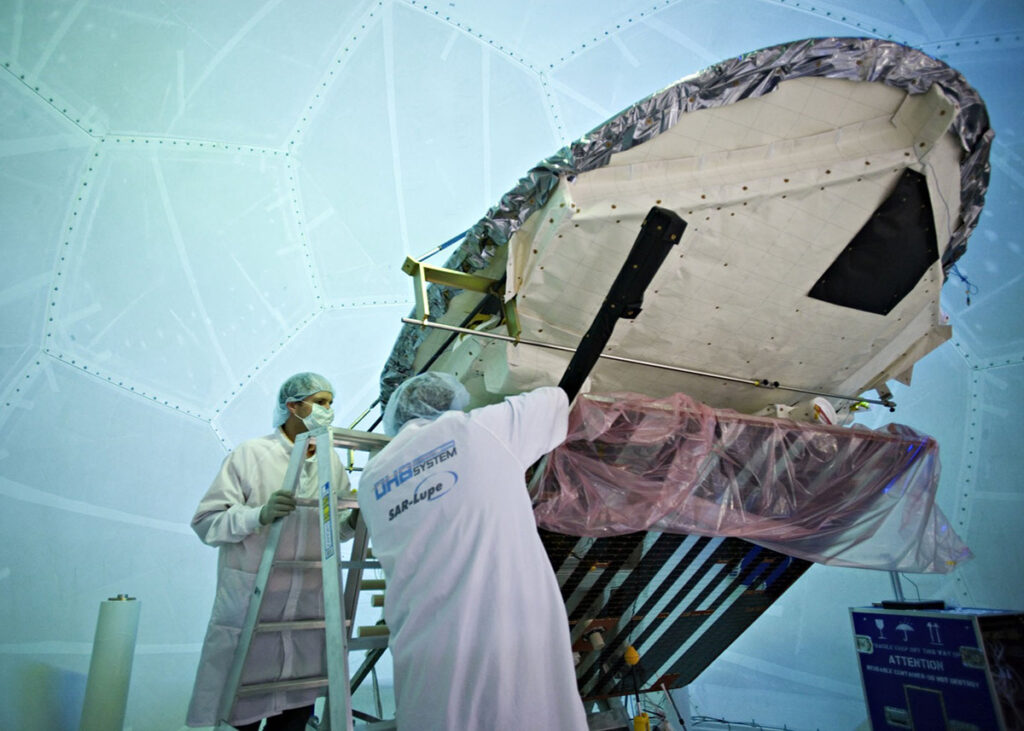
Under Marco Fuchs, the company goes public on March 13, while the technical team led by Manfred Fuchs works on a proposal that leads to a major breakthrough at the end of the year: OHB wins the contract for the SAR-Lupe reconnaissance system, thereby establishing itself as a systems provider.

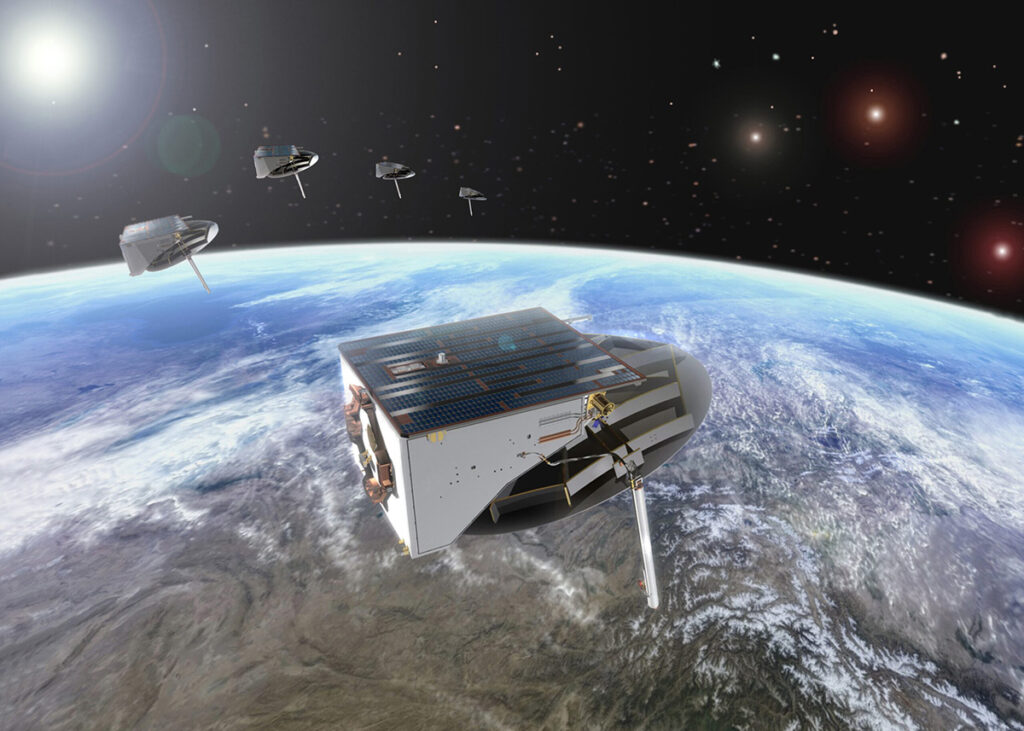
The SAR-Lupe reconnaissance system for the German Armed Forces, consisting of five identical small satellites, marks OHB’s transition from a supplier to a systems provider.
As the project progresses, the development work will initially involve up to 75 employees. As of the date of the call for bids, this represents the entire workforce.

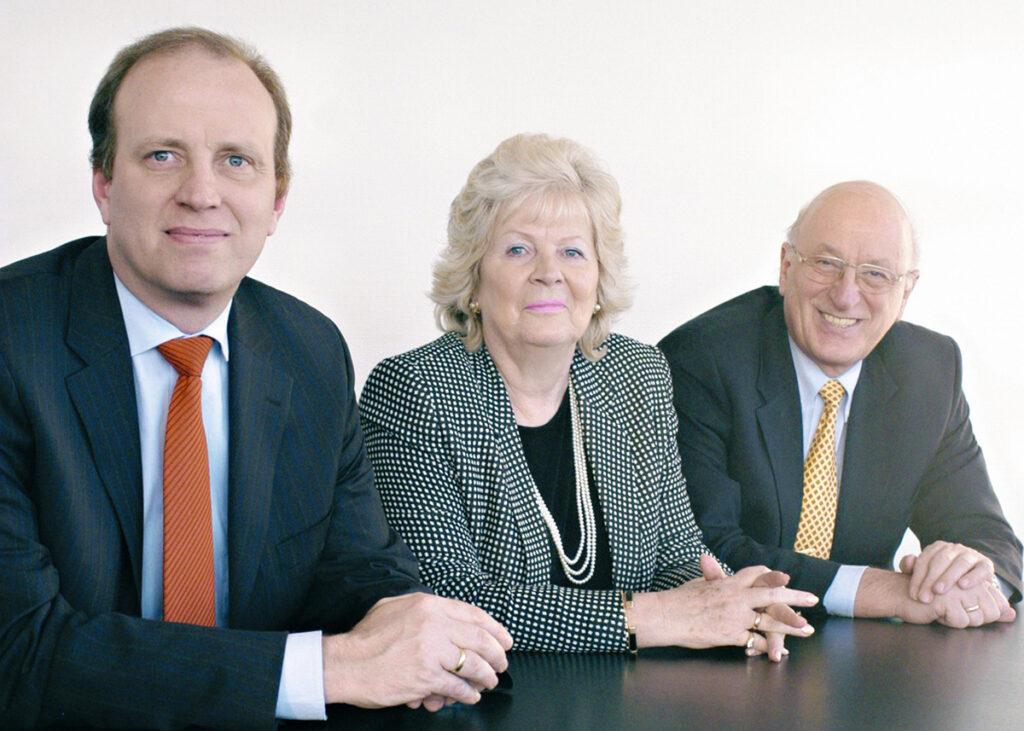
Marco Fuchs, a lawyer who was practicing in New York and Frankfurt at the time, joins his parents’ fledgling high-tech company. With him on board, tech visionary Manfred Fuchs and financial expert Christa Fuchs now have a strategist at their side who will ensure the company’s succession and continued growth.

Marco, Christa, and Manfred Fuchs...
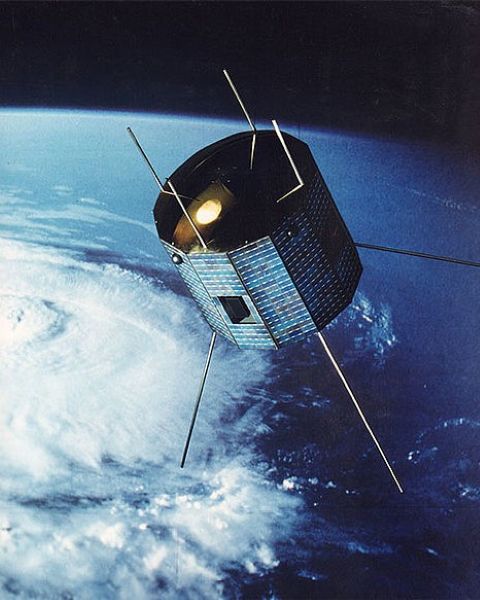
The first satellite “made by OHB” is heading into space: BremSat will launch aboard the space shuttle Discovery and, starting in February 1994, will conduct scientific experiments and environmental observations for a year.
With BremSat, OHB is entering the small satellite business.
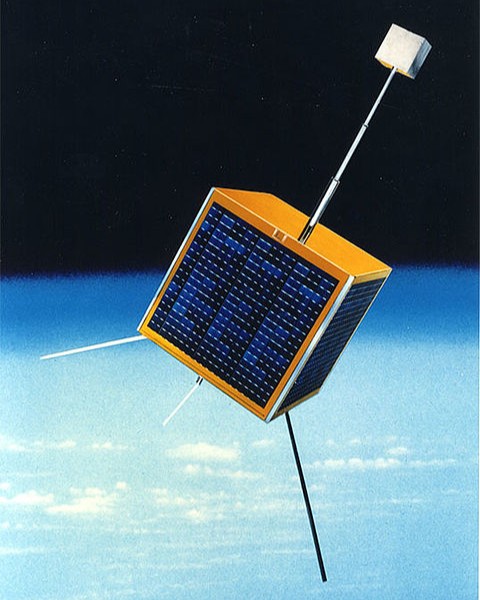
At the same time, work begins on the development of the company's own small telecommunications satellite, SAFIR.

In its early years, OHB primarily developed equipment for microgravity research—ranging from the MIKROBA reentry capsule to contributions to the major space missions of the time, such as Spacelab, D2, and MIR 92.

At the same time, work begins on developing the first satellites.

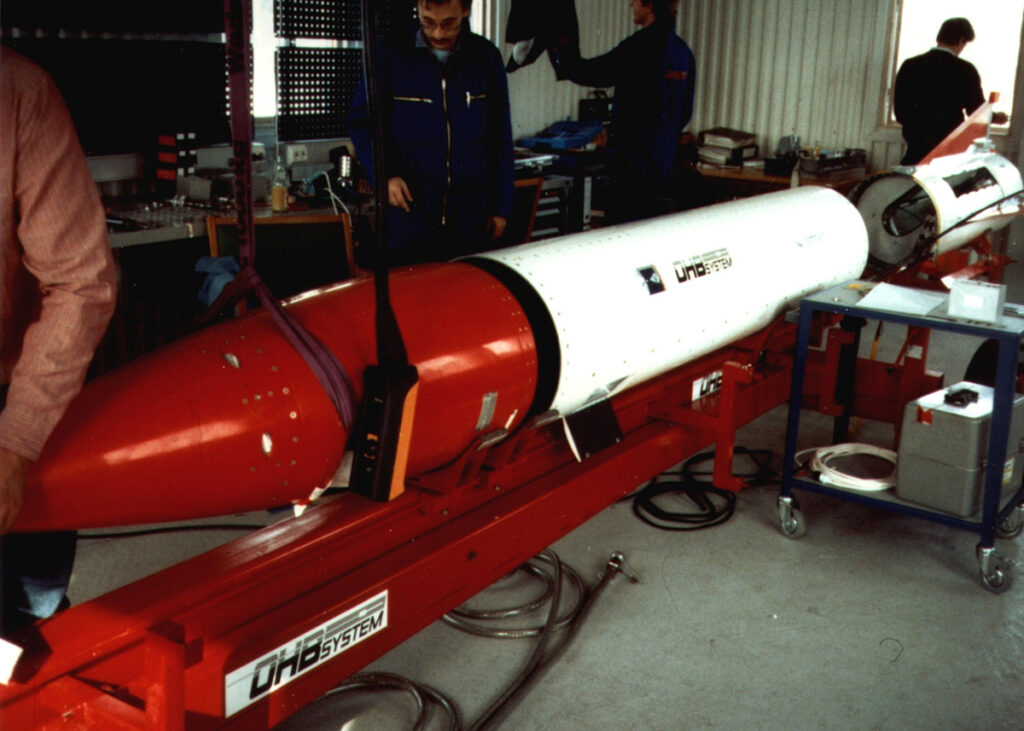
Starting in 1985, the program gradually moved toward space exploration. It began with the MIKROBA drop capsule and experiments in zero gravity.
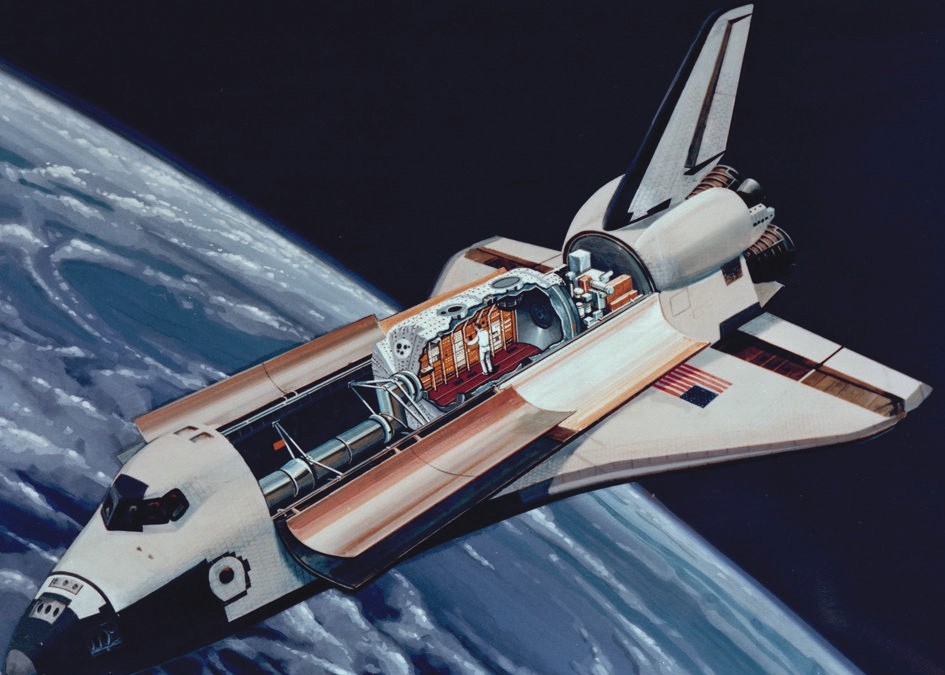
Another early project involved experimental equipment for the reusable Spacelab space laboratory.

Manfred Fuchs' arrival was quickly followed by the first space projects. The formula for success: innovation and pragmatism.

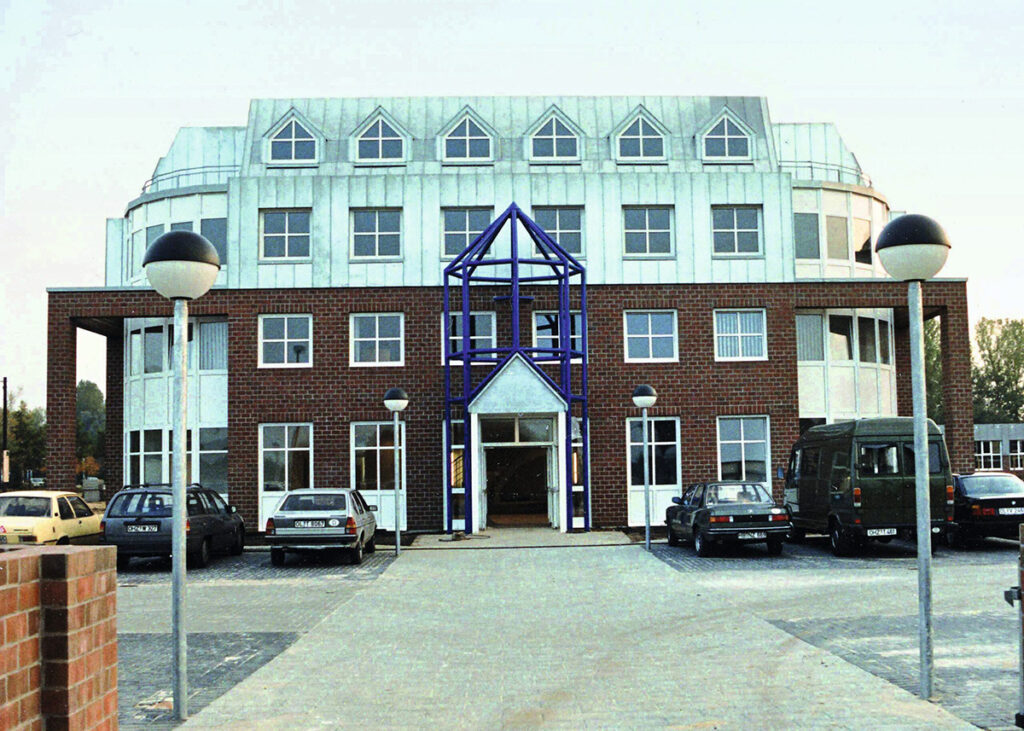
However, as the company entered the space industry, the workshop in Hemelingen quickly became too small. The company moved to the Bremen Technology Park near the university—which remains the OHB Group’s headquarters to this day.

The environment—comprising science, research and development, institutes, and the drop tower at the Bremen Technology Park—is ideal for the up-and-coming space company OHB.
Grand opening of the new location on Universitätsallee.

Manfred Fuchs is joining his wife's company and bringing his aerospace expertise with him. As a manager at MBB ERNO (now Airbus), he played a key role in helping to build up the industry in northern Germany.

His vision: Components and technologies are becoming smaller and more efficient all the time, so why not offer satellites that are significantly smaller and more cost-effective while delivering improved performance?

Manfred Fuchs's joining his wife's company marks a shift toward the aerospace industry.
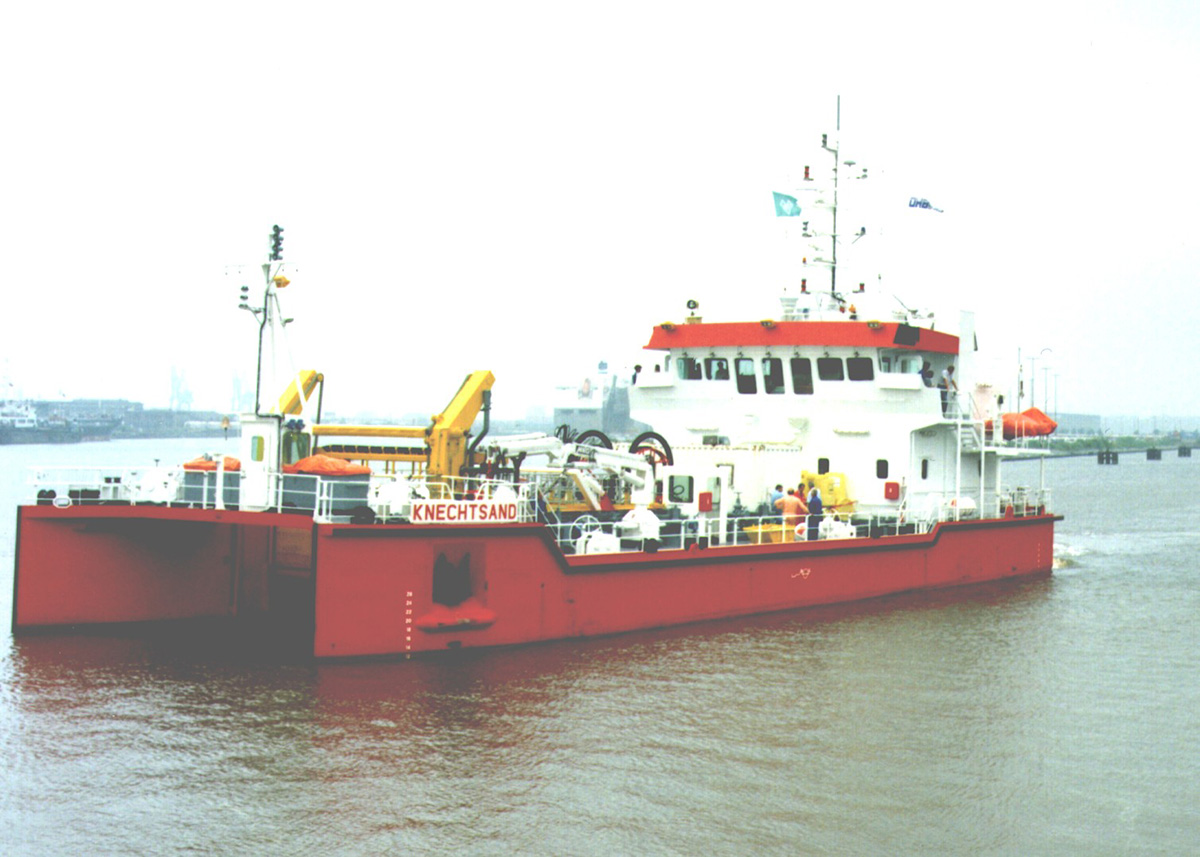
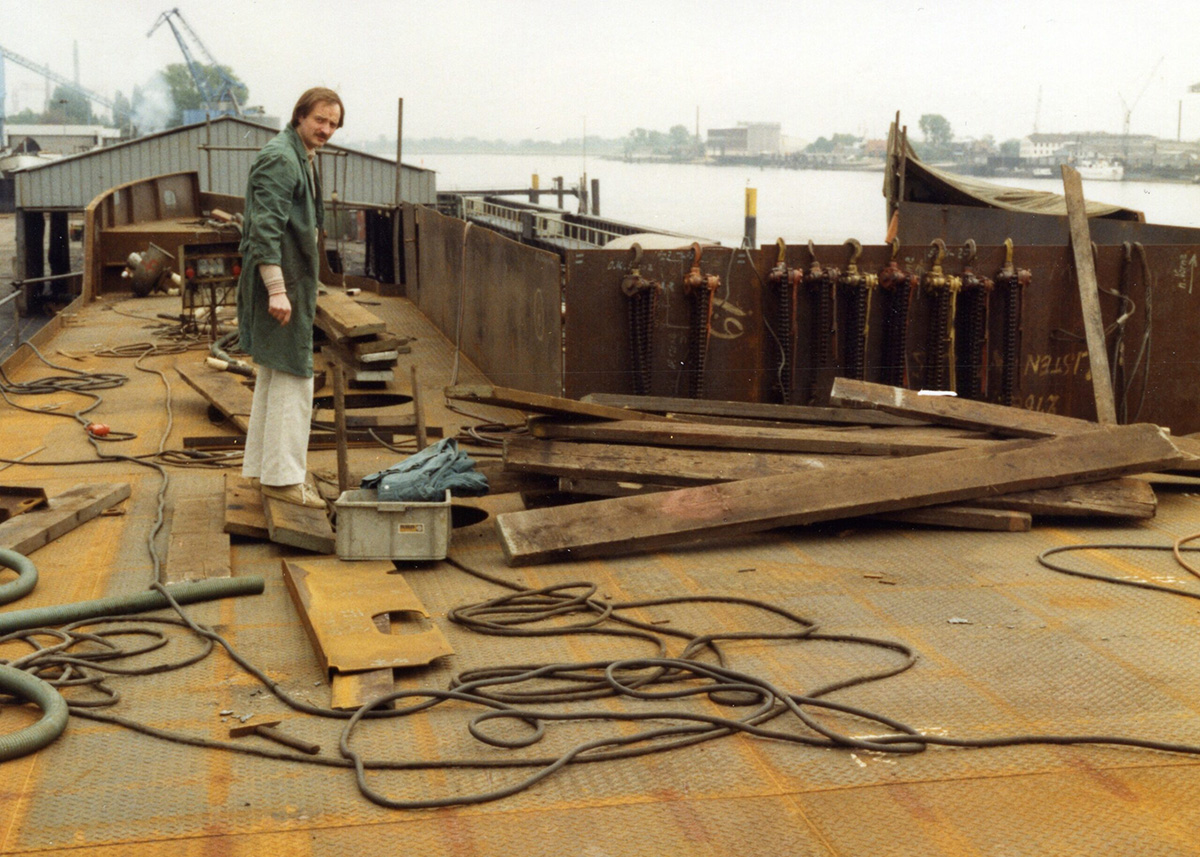
At this point, the business is characterized by opportunism, including development work on the oil spill response vessel Knechtsand.

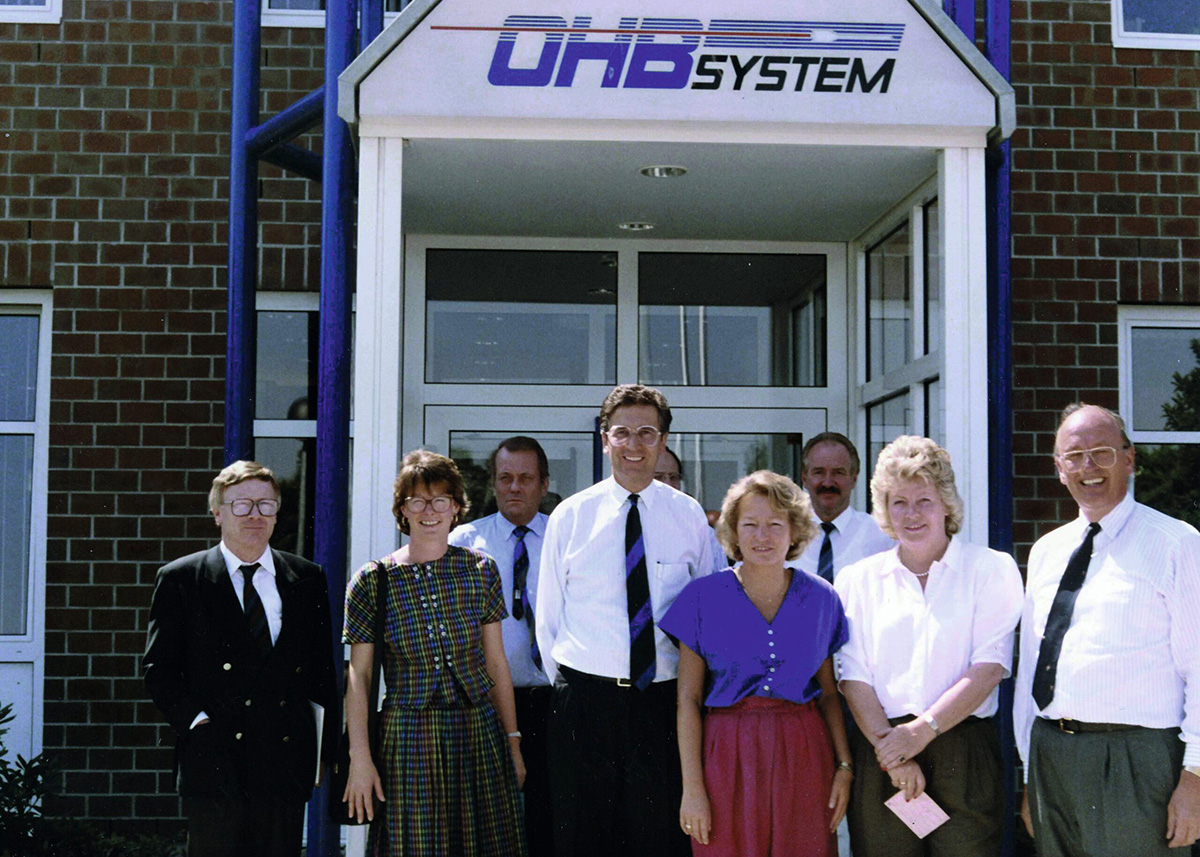
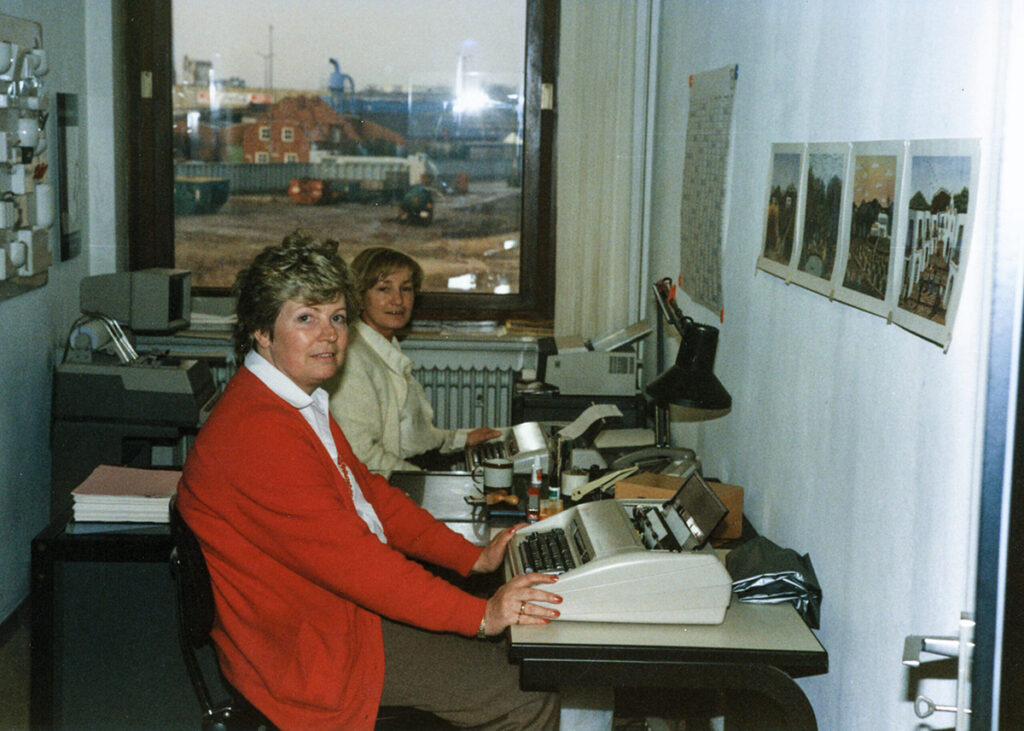
Christa Fuchs is joining Otto Hydraulik Bremen as a partner. The company, headquartered on Hemelinger Hafendamm, currently employs five people and specializes in the maintenance of electrical and hydraulic ship systems for the German Armed Forces.

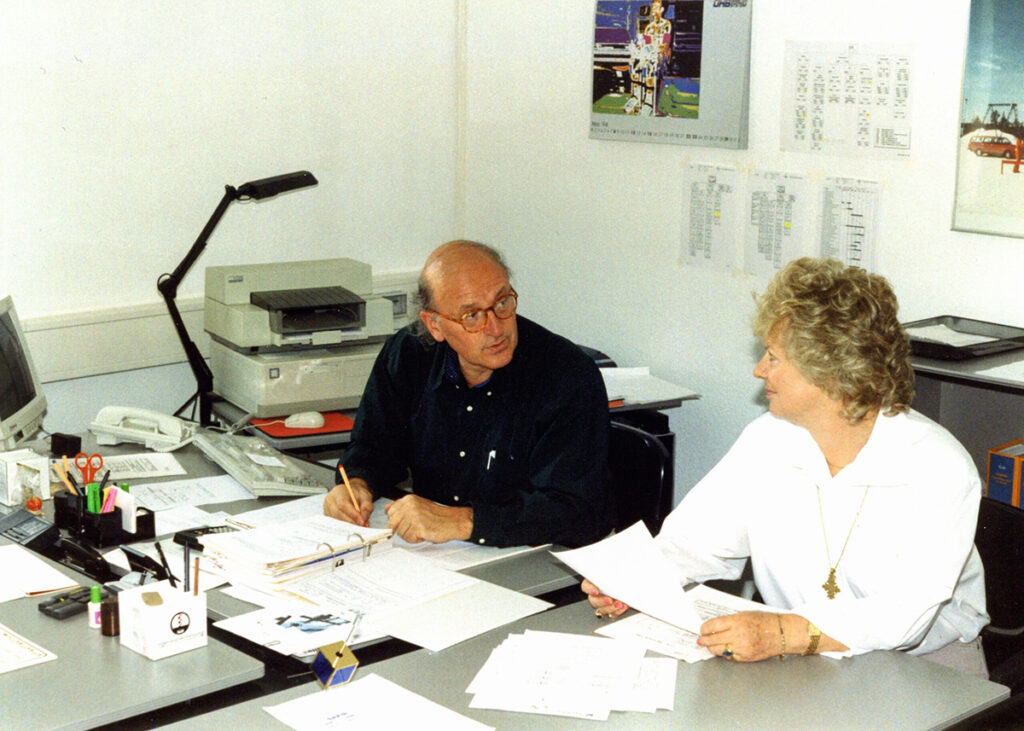
A year later, the trained businesswoman took over the management of the company, hired the first engineers and specialists, and thus set the stage for growth.

When the Otto family was looking for someone to take over their small repair shop in Bremen-Hemelingen, Christa Fuchs was open to a new challenge.
Ulrich Schulz was OHB's first engineer and later served as a member of the executive board for many years. In the early days, he was still familiarizing himself with shipbuilding.